Best gardeners for Primrose Hill rental yards
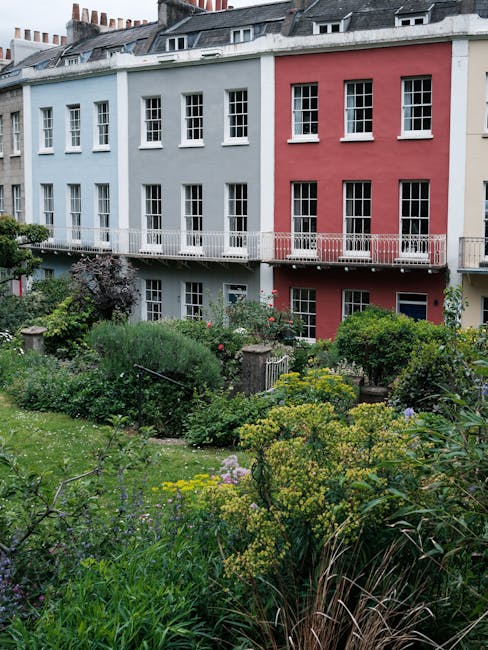
Rental gardens in Primrose Hill have a habit of looking simple from the pavement and slightly more demanding once you step through the gate. Tight access, shade from mature trees, neighbours close by, landlords expecting tidy presentation, and tenants who just want the space to feel usable - all of that can sit in one small outdoor area. That is why choosing the best gardeners for Primrose Hill rental yards matters more than people sometimes think.
A good gardener does more than cut grass and trim the odd hedge. They help keep a rental yard safe, presentable, low-fuss, and fair for everyone involved. In practice, that means fewer complaints, fewer surprises at checkout, and a garden that looks cared for rather than merely "dealt with". If you manage a flat, oversee a let, or rent a property with a compact yard, this guide will walk you through what to look for, how the service works, and what really makes a difference.
There is no magic trick here. But there is a smarter way to choose, and it starts with understanding what rental yards in Primrose Hill actually need.
Why Best gardeners for Primrose Hill rental yards Matters
Rental yards are different from private family gardens. They usually need a sharper balance of appearance, durability, and ease of upkeep. In a place like Primrose Hill, where homes are often compact, outdoor space can be precious but limited. One overgrown shrub or a patch of unmanaged weeds can make the whole yard feel neglected.
That matters because a rental garden affects everyday living and the property's overall impression. Prospective tenants notice it. Existing tenants live with it. Landlords and letting agents often have to deal with it when a tenancy changes hands. A well-kept yard can make a flat feel calmer, cleaner, and more valuable to the people using it. A scruffy one, well, it can do the opposite very quickly.
There is also a practical side. Overgrown hedges can reduce light, slippery paths can become a nuisance, and unchecked debris can make cleaning harder. For landlords, the goal is not a show garden. It is a garden that stays manageable, looks cared for, and does not become a recurring problem. That is where reliable local garden help earns its keep.
In our experience, the best results come from gardeners who understand the "rental mindset": keep it tidy, keep it easy, keep it predictable. Not dramatic. Just solid, regular, and sensible.
How Best gardeners for Primrose Hill rental yards Works
The process is usually straightforward, but the details matter. A good service starts with a proper look at the yard: access points, planting beds, hedge lines, lawn areas if there are any, hard landscaping, waste build-up, and any safety issues. In rental properties, the gardener should also pay attention to what can be maintained easily between visits. That bit is often overlooked.
From there, the work normally falls into one of a few patterns:
- One-off tidy-up for a yard that has become overgrown or neglected.
- Regular maintenance to keep the space neat throughout a tenancy.
- End-of-tenancy refresh to restore presentation before new occupants move in.
- Seasonal care for pruning, leaf clearance, and planting support.
For many Primrose Hill properties, the smartest approach is a recurring maintenance plan rather than occasional rescue work. Rental yards tend to deteriorate quietly. A few missed weeks in mild weather, then a sudden burst of growth, and suddenly the whole thing looks twice as messy. That is why dependable rhythm beats heroic fixes.
Services often include mowing where relevant, hedge trimming, clearing dead material, weed control, border tidy-ups, leaf removal, plant shaping, and light pruning. If the yard has larger issues, a team may recommend garden clearance, or more structured garden maintenance to keep things under control.
Sometimes the outside space has hard elements too, like old fencing, broken sleepers, or tired decking. In that case, the right gardener may work alongside or recommend broader outdoor improvements such as landscaping or decking services if those features are part of the property's long-term plan. Not every yard needs that. But some do, and ignoring it tends to cost more later.
Key Benefits and Practical Advantages
Choosing the best gardeners for rental yards is not just about appearance. The gains are practical and, frankly, easier to measure than people expect.
1. Better first impressions
A neat yard gives the property a calmer, better cared-for feel. That matters for viewings, tenancy renewals, and simple day-to-day satisfaction. It is one of those subtle things people notice before they notice the bins, the sofa, or the paint colour.
2. Less landlord stress
Regular attention means fewer emergency clean-ups. Instead of waiting until a yard becomes unruly, the work stays small and manageable. That can reduce friction between landlords, tenants, and agents. A very ordinary benefit, but a valuable one.
3. Improved safety and access
Clear paths, trimmed growth, and removed debris can make the garden easier to use and less awkward to cross. For rental properties, that is especially helpful where tenants may have children, pets, or limited mobility.
4. Better long-term condition
Routine care helps protect plants, surfaces, and structures. A little pruning now is often kinder than a hard reset later. Same with leaf clearance and weed control - boring, yes, but effective.
5. Easier handovers
End-of-tenancy inspections go more smoothly when the outdoor space is under control. There is less debate, less last-minute panic, and fewer awkward "we thought that was included" conversations. Everyone breathes easier.
Expert summary: the best gardeners for rental yards are not necessarily the flashiest. They are the ones who make the garden easier to live with, easier to hand over, and easier to maintain month after month.
Who This Is For and When It Makes Sense
This service is ideal for landlords, letting agents, property managers, and tenants who are responsible for an outdoor area but do not want to spend weekends wrestling with it. Truth be told, Primrose Hill rental yards often suit people who want a neat, low-maintenance space more than a high-design garden.
You probably need a professional gardener if:
- the yard looks tired, overgrown, or patchy;
- you are preparing for new tenants;
- you have recurring weed, hedge, or leaf problems;
- the space is too small or awkward to maintain easily;
- you want a reliable schedule rather than occasional one-off fixes;
- you need the garden to remain presentable with minimal disruption.
It also makes sense if the property includes features that need more focused care, such as hedges, small lawns, or tree work. For example, taller growth near boundaries may require careful hedge trimming, while larger or riskier branches may call for tree lopping and removal. That is not a job to guess at over a cup of tea and optimism.
Some tenants also commission garden help themselves because they want to keep the outdoor area pleasant without taking on the full burden. That can be a smart move, especially if the tenancy agreement places care responsibilities on the occupant. The key is to be clear about who owns the task and what the expected standard is.
Step-by-Step Guidance
If you want the best outcome, it helps to approach the job in a simple sequence. Nothing fancy. Just a solid process.
- Assess the yard honestly. Look at what is actually there: planting, grass, paving, storage, borders, fences, and problem areas. Do not plan around what you wish was there.
- Define the goal. Is this a tidy-up for a viewing, regular maintenance during a tenancy, or a broader refresh before marketing the property?
- List the essential tasks. Weed removal, hedge trimming, mowing, leaf clearance, pruning, waste disposal, or a general reset.
- Check access and timing. Rental yards often sit behind flats or through shared entrances. Good access planning avoids awkward delays and repeated visits.
- Ask for a tailored approach. A small Primrose Hill yard should not be treated like a suburban lawn. Ask for work that suits the size and layout of the space.
- Agree on the maintenance rhythm. Weekly, fortnightly, monthly, or seasonal - pick a schedule that prevents mess from building up.
- Review after the first visit. Look at the finish, the tidiness, and whether the space now feels easier to manage. If it does not, say so clearly.
A small yard can often be transformed by just a few focused tasks. It is surprising how much difference a tidy edge, a swept path, and a cleared border can make. Sometimes that is the whole game.
If you want a broader view of what a professional can cover, the services overview is a useful place to start. And if budget planning is part of the picture, pricing and quotes can help set expectations before work begins.
Expert Tips for Better Results
The difference between an okay result and a genuinely good one is often in the little decisions. Here are the things that tend to matter most.
- Choose low-maintenance planting. In rental yards, simple and resilient usually wins. Fussy planting needs more care than most tenancies can realistically support.
- Keep edges clean. A yard can be tiny and still look smart if the edges, paving lines, and borders are crisp.
- Prioritise access paths. A narrow passage or rear step should not be blocked by waste bags, branches, or tools.
- Think in seasons, not emergencies. Autumn leaf fall, spring growth, and summer drying all create different jobs. Plan for them instead of reacting late.
- Use light-touch improvements. Not every yard needs replanting. Sometimes a better mulch, a reset border, or selective pruning does more good than a bigger project.
One thing people miss: the best gardeners for rental yards often think like problem-solvers, not just cutters and sweepers. They notice where water pools after rain, which shrub is becoming too dominant, or where the space feels cramped. That sort of observation saves trouble later.
And yes, a little humour helps. If a yard has somehow collected three dead pots, two broken stakes, and a mystery chair, you do not need a "vision". You need a tidy-up. Simple as that.
Common Mistakes to Avoid
Rental gardens go wrong in predictable ways. The good news is that most of them are avoidable.
- Waiting too long. Once growth gets away from you, the job becomes slower and less efficient.
- Choosing price only. The cheapest option can be fine sometimes, but if the work is rushed or inconsistent, it usually costs more in the end.
- Overcomplicating the brief. A compact rental yard rarely needs elaborate design changes. Keep the goal realistic.
- Ignoring waste removal. A neat cut is not enough if the clippings and debris are left behind.
- Forgetting tenant realities. A space that looks great but is impossible to keep up is not really solved.
- Using the wrong service for the task. Heavy overgrowth may need clearance first, then maintenance later. Trying to do both in one vague request can muddy the result.
Another mistake is not agreeing on standards. "Tidy" means different things to different people. Better to spell it out: swept paths, trimmed edges, weed control, cleared waste, and a neat overall finish. That removes a lot of guesswork.
Tools, Resources and Recommendations
You do not need to become a gardening expert to manage a rental yard well, but it helps to know what a capable team should bring and what they should be able to do.
A reliable gardener will normally use appropriate hand tools and cutting equipment for the size of the yard, plus safe waste-handling methods and the right approach for plant care. For compact spaces, precision often matters more than power. The wrong tool in a tight Primrose Hill yard can make the space feel battered rather than improved.
Useful service areas to ask about include:
- lawn mowing for small grassed spaces that still need a sharp finish;
- hedge trimming for boundaries, screening, and overgrown edges;
- garden clearance for neglected or cluttered yards;
- garden maintenance for ongoing upkeep and seasonal support;
- recycling and sustainability if you want waste handled with an eye on responsible disposal.
It can also help to keep a simple property note for each rental garden: access instructions, who holds keys, where waste should go, and any planted areas that need to be left alone. Boring? Absolutely. Useful? Very.
Law, Compliance, Standards and Best Practice
For rental yards, the main compliance concerns usually sit around safety, waste handling, landlord responsibilities, and keeping the property in a reasonable state of repair. The exact obligations depend on the property and agreement, so it is sensible to be careful rather than casual.
In practical terms, best practice usually means:
- keeping paths and entrances clear;
- reducing obvious trip hazards;
- ensuring work is done safely around gates, walls, and shared access;
- using insured and competent people for heavier or riskier tasks;
- handling waste responsibly;
- communicating clearly with tenants or agents before work starts.
For larger shrubs or trees, be especially cautious. Cutting back growth near buildings, fences, and overhead lines is not the place for guesswork. If a job looks beyond light maintenance, ask whether it falls under a specialist service. Good practice is to stop and assess rather than rush in. That is usually the mark of a professional, actually.
Trust and process matter too. If you are comparing providers, ask about their approach to safety and working methods. Pages like insurance and safety and health and safety policy can help reassure you that the business takes risk seriously. For general service background, about us is also worth a look.
Options, Methods, or Comparison Table
Not every rental yard needs the same kind of gardener. Here is a simple way to compare the main approaches.
| Option | Best for | Pros | Watch out for |
|---|---|---|---|
| One-off tidy-up | Move-ins, move-outs, quick presentation fixes | Fast, flexible, good for short-term needs | Can let problems return if not followed by maintenance |
| Regular maintenance | Ongoing rental occupancy | Keeps the yard stable and predictable | Needs a consistent schedule |
| Clearance first, maintenance later | Overgrown or neglected yards | Resets the space properly | May cost more at the start |
| Landscape-led refresh | Yards that need practical improvement | Can improve usability and appearance long term | Requires clearer planning and budget |
For many Primrose Hill rentals, the sweet spot is a clearance or tidy-up followed by a light but regular maintenance plan. That combination keeps the space presentable without turning it into a project that nobody wants to own.
Case Study or Real-World Example
Here is a realistic example. A small basement flat with a narrow yard has been rented for several years. The patio has weeds between the slabs, a hedge has started pressing into the path, and a couple of planters are full of dead stems from last season. Nothing dramatic. Just enough to make the place feel unloved.
A sensible gardener would not begin by suggesting a full redesign. They would start with clearance, cut back the hedge, remove dead material, and tidy the paving edges. Then they would look at whether a simple maintenance rhythm would be enough to stop the same issues returning. Maybe a monthly visit. Maybe a seasonal prune with short check-ins in the growing months.
After that, the yard would likely still be small. It would still be a rental yard. But it would feel calmer, cleaner, and easier to use. And that, for many tenants, is what actually matters. You do not need a magazine spread. You need somewhere that feels looked after when you open the back door in the morning.
Practical Checklist
Use this checklist before booking or confirming work:
- Check whether the yard needs a tidy-up, a clearance, or regular maintenance.
- List any access issues, keys, gates, or shared entrances.
- Decide who is responsible for instructions and approvals.
- Note any fragile plants, fixtures, or boundary structures.
- Ask how waste will be removed and whether recycling is part of the process.
- Confirm whether the work includes mowing, hedging, pruning, or just general tidying.
- Set expectations for finish: swept, trimmed, cleared, and presentable.
- Agree the frequency of follow-up visits if ongoing care is needed.
- Review safety and insurance information before heavier work begins.
- Keep a record of what was done, especially for tenancy handovers.
Quick takeaway: if the yard is small and the tenancy is active, consistency usually beats occasional big intervention. If the yard is badly neglected, start with clearance, then move to maintenance. That sequence saves time and a fair bit of frustration.
For a clearer idea of what service standards and processes look like, you may also want to review the business information on contact us, terms and conditions, and payment and security.
Conclusion
The best gardeners for Primrose Hill rental yards are the ones who understand restraint, reliability, and local practicality. They know a rental garden does not need overcomplicated treatment. It needs clear communication, consistent care, tidy workmanship, and enough flexibility to handle a small space properly.
If you choose well, the yard becomes one less thing to worry about. It stays presentable, safer to use, and easier to hand over when the tenancy changes. And that is a real advantage, even if it never looks flashy on a brochure. Sometimes the best outdoor spaces are the ones that quietly behave themselves.
Get a free quote today and see how much you can save.
If you are comparing options right now, start with the simplest question: what does this yard need to feel easy again? Once you answer that, the right gardening support becomes much easier to find. And honestly, that little bit of clarity goes a long way.
Frequently Asked Questions
What should I look for in the best gardeners for Primrose Hill rental yards?
Look for reliability, good communication, knowledge of small-space maintenance, and a practical approach to tidy-ups and recurring care. In rental yards, consistency matters as much as skill.
Do rental yards usually need one-off visits or regular maintenance?
Both can work, but regular maintenance is usually better if you want the space to stay presentable without big seasonal recoveries. One-off visits suit move-ins, move-outs, or urgent tidy-ups.
How often should a small rental garden be maintained?
It depends on planting, growth rate, and use, but many compact yards benefit from monthly or fortnightly attention in peak growing periods. A quieter winter schedule may be enough at other times.
Is garden clearance the same as garden maintenance?
No. Garden clearance is for neglected, cluttered, or overgrown spaces that need a reset. Garden maintenance is the ongoing work that keeps the garden in shape afterwards.
Can a gardener help make a rental yard easier for tenants to manage?
Yes. A good gardener can simplify planting, clear awkward areas, and create a layout that is easier to keep tidy. That makes everyday upkeep much less stressful.
What if my rental yard has hedges or taller shrubs?
Then hedge trimming or selective pruning may be needed as part of the job. Taller growth should be handled carefully, especially near boundaries, shared access, or structures.
Do I need landscaping for a small Primrose Hill rental yard?
Not always. Many yards only need maintenance and a tidy, practical layout. Landscaping is more relevant if the space has drainage, access, or usability problems, or if the current setup no longer works.
How can I tell if a quote is fair?
Compare what is included: clearance, mowing, pruning, waste removal, frequency, and follow-up. A fair quote should be clear about the scope, not just the headline price.
Should landlords or tenants book the gardener?
That depends on the tenancy agreement and the level of responsibility assigned to each party. The important part is clear communication so the work is not duplicated or forgotten.
What happens if the yard is too overgrown for a standard visit?
A gardener may recommend an initial clearance first, then a maintenance plan afterwards. That is usually the safest and most effective way to restore control without rushing.
Are there safety or insurance questions I should ask?
Yes. It is sensible to ask how the gardener handles safety, equipment, access, and waste, and whether they have appropriate cover for the work involved. For reassurance, review the business information on insurance and safety.
How do I get started if I am not sure what the yard needs?
Begin with a basic assessment: what is overgrown, what is usable, what is blocking access, and what needs to be left alone. If you are still unsure, a general enquiry through contact us is a sensible next step.