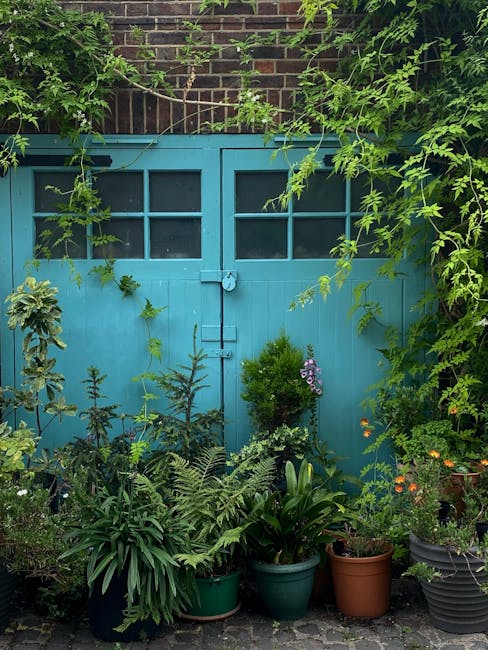
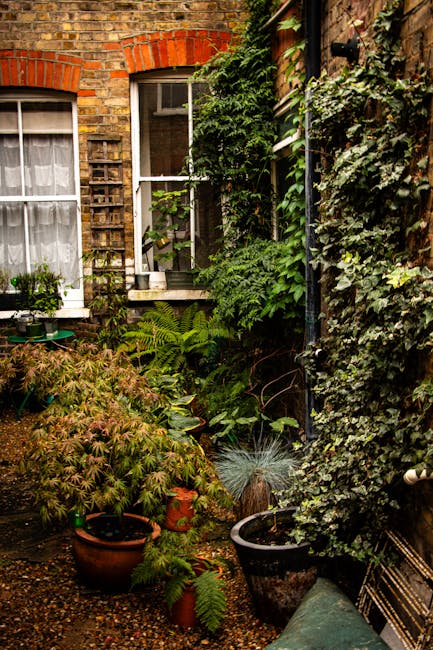
Camden Lock courtyard garden care for local gardeners
If you look after a courtyard garden near Camden Lock, you already know it is a slightly different world from a bigger back garden. Space is tighter, wind behaves oddly between buildings, pots dry out faster than you expect, and one neglected week can make the whole place feel scruffy. Camden Lock courtyard garden care for local gardeners is really about working with those conditions, not fighting them. The good news? With the right routine, even a compact courtyard can stay green, tidy, and genuinely welcoming all year.
This guide is designed for local gardeners who want practical, grounded advice. We will cover what makes courtyard spaces tricky, how to manage plants in shaded or exposed corners, when maintenance matters most, and which services or tools make life easier. If you have ever stood in a small paved garden at 8am, coffee in hand, wondering why the thyme looks thrilled but the fern looks offended, you are in the right place.
For readers who want a broader view of care options, it can help to understand the full range of support available through garden services in Camden Town, especially when a courtyard needs more than a quick tidy-up.
Table of Contents
- Why Camden Lock courtyard garden care for local gardeners Matters
- How Camden Lock courtyard garden care for local gardeners Works
- Key Benefits and Practical Advantages
- Who This Is For and When It Makes Sense
- Step-by-Step Guidance
- Expert Tips for Better Results
- Common Mistakes to Avoid
- Tools, Resources and Recommendations
- Law, Compliance, Standards, or Best Practice
- Options, Methods, or Comparison Table
- Case Study or Real-World Example
- Practical Checklist
- Conclusion
- Frequently Asked Questions
Why Camden Lock courtyard garden care for local gardeners Matters
Courtyard gardens around Camden Lock are often shaped by the same few realities: limited soil volume, surrounding walls or fencing, reflected heat, patchy shade, and heavy use. That combination changes everything. Plants in a courtyard do not have the luxury of forgiving neglect for long. A missed watering can matter more. So can blocked drainage, compacted soil, or a hedge that has been allowed to creep a little too far.
Local gardeners also have to think about how the space is used. A courtyard might be a morning coffee spot, a bike route, a children's play space, or a place to catch a bit of quiet in the middle of the day. It has to look good, but it also needs to work. To be fair, that is the real challenge: not making it perfect, just making it practical and pleasant.
In Camden, the weather pattern can swing from damp to dry in what feels like no time at all. A sheltered courtyard can hold moisture for days after rain, while another, more open one can become surprisingly parched. That is why a fixed, one-size-fits-all routine rarely works. Good courtyard care is observant care.
Expert summary: The best courtyard garden maintenance is not about doing everything at once. It is about noticing what the space needs, then acting early enough to stop small issues becoming annoying ones. That usually means checking watering, pruning, drainage, weeds, and container health on a regular cycle.
If you are considering broader maintenance support, it may help to look at ongoing garden maintenance as a way to keep things consistent rather than scrambling every few weeks. Truth be told, consistency beats heroic rescue work nearly every time.
How Camden Lock courtyard garden care for local gardeners Works
Courtyard garden care works best when you treat the space as a living system rather than a collection of isolated pots and paving slabs. Start with the basics: light, water, soil, drainage, and access. Once you understand how those interact, the rest becomes much easier.
1. Assess the site properly
Look at where the sun actually falls during the day. Not where you imagine it falls. A courtyard beside tall buildings may receive bright but indirect light, while another may get a hot blast in late afternoon. Watch for wind tunnels too. If leaves are drying at the edges or containers are toppling, that is a clue.
2. Match plants to the conditions
Some plants love a sheltered courtyard. Others quietly give up. Compact herbs, ferns, shade-tolerant perennials, ornamental grasses, and some evergreen shrubs often perform well where space is tight. If the garden is especially exposed, tough evergreens and deeper-rooted planting usually cope better than delicate bedding. A happy plant is often just the right plant in the right spot.
3. Build a maintenance rhythm
A courtyard usually needs shorter, more frequent attention than a larger garden. Little and often is the rule. Watering may be daily in hot spells, while pruning, feeding, and tidying might happen weekly or fortnightly depending on growth and use.
4. Keep the structure clean and safe
In a paved courtyard, moss, algae, fallen leaves, and water pooling can quickly make the space feel slippery or tired. Regular sweeping and careful cleaning matter just as much as plant care. If decking is part of the design, it needs checking for wear, algae, and loose fixings, especially after wet weather. For larger structural improvements, decking services can help the space feel usable and finished rather than patchy and awkward.
5. Refresh seasonal details
Courtyard gardens live and die by the small details: a pot that has outgrown itself, a climber that needs tying in, or a corner that starts to look thin in winter. Seasonal changes are not a nuisance. They are part of the design. The trick is to respond before the garden starts looking tired. Usually, that means a quick review at the start of each season, then a lighter weekly check-in. Simple enough in theory. Not always simple in real life, of course.
Key Benefits and Practical Advantages
Good courtyard care gives you more than a neat appearance. It improves how the space feels and functions day to day. That matters in a busy local area where outdoor space is precious.
- Better visual impact: A well-kept courtyard looks intentional, even if it is small.
- Healthier plants: Regular checks catch watering issues, pests, and nutrient problems early.
- Safer surfaces: Moss, algae, and leaf build-up are easier to manage before they become slippery.
- Less waste: Well-matched planting and sensible upkeep reduce dead plants and repeated replacements.
- Improved use of space: Good maintenance makes room for seating, pots, and movement without clutter.
- Better seasonal resilience: Courtyards that are trimmed, fed, and monitored tend to recover faster after heat, wind, or heavy rain.
There is also a quieter benefit. A tidy courtyard changes how you use it. You step outside more. You notice the scent of herbs after rain, or the way a climber softens a brick wall. Small thing, maybe. But it matters.
For people weighing different options, comparing routine upkeep with one-off intervention can be useful. A one-off clearance may solve the immediate mess, but a maintenance plan is what keeps the space from sliding back. If things have reached that stage, garden clearance may be the reset point before you rebuild the garden properly.
Who This Is For and When It Makes Sense
This kind of care is a good fit for several local situations. It is not just for people who love gardening. It is also for people who simply want the place to look decent without losing half a weekend to it.
Homeowners with compact outdoor space
If you have a small courtyard off a flat, townhouse, or converted property near Camden Lock, a tidy maintenance routine can stop the space from becoming unused. That is especially true where paving, pots, and vertical planting need regular attention.
Landlords and letting agents
A courtyard can influence first impressions. If the space is part of a rental property, low-maintenance presentation is usually the goal. You want it clean, safe, and easy for tenants to manage without creating extra work.
Busy professionals and families
Maybe you enjoy having greenery around you, but not enough to keep every plant happy by trial and error. Fair enough. Courtyard care makes most sense when time is short and the space still needs to look cared for.
People recovering an overgrown space
If the courtyard has been neglected, maybe because of travel, a renovation, or just life getting in the way, the first step is often to clear, assess, and simplify. A stripped-back garden is not a failure. Sometimes it is the smartest starting point.
When it makes sense to call in help
It may be time for support if you notice repeated drainage issues, dying container plants, overgrown climbers, or a hard landscape area that needs more than simple sweeping. You may also want a professional eye if the garden layout feels awkward or underused. Local garden support can be especially helpful when you need both maintenance and a bit of redesign thinking. In those cases, landscape gardening may be worth exploring.
Step-by-Step Guidance
Here is a practical way to approach Camden Lock courtyard garden care without overcomplicating it.
Step 1: Clear the space
Remove dead leaves, spent plants, broken pots, and anything that hides problems underneath. Clearing is not glamorous, but it shows you what is actually happening. You cannot fix a drainage issue if it is hidden under three bags of damp compost and a forgotten watering can.
Step 2: Inspect the surfaces and drains
Check whether water is pooling anywhere after rain. Look at the joints in paving, the edges of decking, and any drain covers. A courtyard with poor drainage can undermine everything else, including plant health. Wet feet are not great for roots.
Step 3: Prune and shape
Cut back overgrown stems, remove dead growth, and tidy climbers before they start tangling into windows, fences, or neighbouring spaces. Keep the shape natural where possible. Over-pruning can leave a courtyard looking harsh, which defeats the whole point.
Step 4: Refresh the soil and pots
Container plants rely on you more than border plants do. Top up compost, loosen compacted soil, and check whether roots are circling or the pot has become too small. If a pot is dry to the core, water it slowly rather than flooding it at once. Slow watering is kinder and usually more effective.
Step 5: Feed where needed
Not every plant needs feeding at the same time. Hungry flowering plants, herbs in pots, and container shrubs often benefit from regular but sensible feeding during the growing season. Too much feed can create weak, floppy growth, so less can genuinely be more.
Step 6: Water with a pattern
Water deeply and consistently rather than giving tiny amounts every now and then. In a courtyard, this matters because containers dry unevenly. Early morning is usually the best time in warm weather. It gives plants a good start before the heat builds.
Step 7: Reset the look
Finish with the visual details: sweep the paving, align pots, remove faded flowers, and replace anything that looks beyond saving. The best courtyard gardens often feel calm because the edges are cared for. Not perfect. Just cared for.
Simple routine you can repeat
- Weekly: water, deadhead, check pests, sweep surfaces.
- Fortnightly: trim growth, inspect pots, feed where needed.
- Monthly: review drainage, lift out tired plants, and reshape the layout.
- Seasonally: replant, refresh soil, and reassess light and shelter.
Expert Tips for Better Results
In our experience, courtyard gardens do best when you reduce friction. That means less fuss, fewer mismatched plants, and fewer "I'll deal with it later" moments. Later has a habit of becoming too late.
Use layers, not clutter
A few larger pots often work better than too many small ones. Large containers retain moisture more effectively and make the garden feel calmer. You can still use smaller pots for herbs or seasonal colour, but avoid a crowded look unless that is the style you really want.
Choose plants with texture as well as colour
In a small courtyard, texture matters almost as much as flowers. Evergreen leaves, grasses, and plants with different leaf shapes stop the space from feeling flat between flowering periods.
Think vertically
Walls, railings, trellises, and slim climbers can add depth without eating floor space. This is especially helpful around Camden Lock where every square metre counts. Vertical planting also softens hard surfaces and makes a courtyard feel more private.
Keep one corner deliberately simple
It sounds odd, but not every corner should be filled. A little visual breathing room helps the garden look better and makes maintenance easier. Sometimes the smartest design move is leaving space alone.
Watch the water line
If you have self-watering containers, saucers, or hidden reservoirs, check them regularly. Courtyard plants may suffer more from inconsistent moisture than from outright neglect. One hot day can undo a week of decent care.
Use maintenance as design
Trimming, sweeping, deadheading, and re-setting containers are not just chores. They are part of the look. A courtyard garden is often at its best when maintenance is visible in the good way: neat edges, healthy growth, and no obvious chaos.
When the garden feels too much
Step back and simplify. Remove one or two struggling plants. Keep the strongest performers. It is slightly counterintuitive, but a smaller, healthier planting scheme often looks more expensive and more intentional. Also, less to water. Which never hurts.
Common Mistakes to Avoid
Most courtyard problems are not dramatic. They are cumulative. A little too much water here, a few forgotten leaves there, then suddenly the whole space feels off.
- Overwatering containers: Wet compost without enough drainage quickly leads to unhappy roots.
- Ignoring shade patterns: A plant that looked fine in summer may struggle in winter light levels.
- Using too many high-maintenance plants: Beautiful, yes. Practical, maybe not.
- Letting climbers run unchecked: They can crowd windows, gutters, and neighbouring boundaries fast.
- Forgetting hard surfaces: A courtyard is not just plants. Surfaces need care too.
- Leaving dead growth in place: It makes a small garden look neglected very quickly.
- Choosing pots that are too small: Small containers dry out fast and limit root development.
One mistake people often make is treating a courtyard like a full-size garden in miniature. It is not. It has its own rules. Once you accept that, the whole thing gets easier.
Tools, Resources and Recommendations
You do not need a shed full of equipment to manage a courtyard well, but a few decent tools make a real difference. Cheap tools can be fine, though to be honest, they can also be a bit of a false economy if they bend after two uses.
Useful tools for courtyard care
- A sturdy hand trowel for planting and soil work
- Bypass secateurs for clean pruning cuts
- A long-spout watering can for pots and tight corners
- A stiff broom for paving and decking
- Gloves that actually fit
- A compact rake for leaves and loose debris
- Plant ties for climbers and support stems
- A soil scoop or small hand fork for container refreshes
Practical service types to consider
If you need help beyond routine care, different service types can solve different problems. lawn mowing is relevant only if your courtyard includes a small lawn patch, but it can still matter in mixed spaces. hedge trimming is useful where boundaries need regular shaping for privacy and light. And if there are mature trees crowding the courtyard, tree lopping and removal may be necessary where safety or access is affected.
When sustainability matters
Many local gardeners now prefer lower-waste maintenance routines. That can mean reusing pots, composting green waste where possible, choosing durable materials, and making plant choices that suit the site instead of constantly replacing failed ones. If that matters to you, recycling and sustainability is a sensible topic to review alongside your garden plans.
Getting quotes and planning costs
Every courtyard is different, so costs can vary depending on access, condition, planting complexity, and whether you need clearance, pruning, or redesign work. The most sensible approach is to describe the space clearly and ask for a tailored estimate. A transparent pricing and quotes page can help you understand what information is needed before you book. That saves time on both sides.
Law, Compliance, Standards, or Best Practice
For most local gardeners, courtyard care is less about formal legal rules and more about responsible practice. Still, there are a few standards worth keeping in mind, especially in shared buildings, rental properties, or spaces close to neighbours.
- Access and safety: Keep paths clear enough to move safely, particularly in narrow courtyards.
- Waste handling: Dispose of green waste responsibly and do not block shared areas with cuttings.
- Neighbour awareness: Avoid letting climbers, roots, or overhanging growth become a nuisance.
- Trip hazards: Pots, hoses, and loose paving should not create avoidable risks.
- Workmanship standards: If you hire help, expect sensible care, tidy finishes, and clear communication.
If the work involves tools, ladders, heavy lifting, or awkward access, it is reasonable to expect attention to health and safety. Professional gardeners should be able to explain how they manage risk in a compact environment. A clear health and safety policy and insurance and safety information are reassuring signs, especially where the courtyard is shared or difficult to access.
Best practice also includes respect for privacy, entrances, and noise. In a dense area like Camden, that matters more than people sometimes realise. A neat job is not just about the plants. It is about how the work is carried out.
Options, Methods, or Comparison Table
Different courtyard gardens need different levels of care. Below is a simple comparison to help you decide what kind of approach fits best.
| Approach | Best for | Pros | Limitations |
|---|---|---|---|
| DIY routine care | Small, manageable courtyards with easy access | Low cost, flexible, good for people who enjoy the process | Easy to miss problems, harder to keep consistency |
| One-off tidy-up | Overgrown or neglected spaces | Fast reset, clears visible clutter quickly | Does not prevent the garden sliding back again |
| Regular maintenance | Occupied homes, rentals, and frequently used courtyards | Consistent look, healthier plants, fewer surprises | Requires ongoing budget and scheduling |
| Maintenance plus redesign | Awkward layouts or spaces that are not working well | Improves use, planting, and presentation together | More planning needed at the start |
If the current layout simply does not suit the way you live, combining care with a structural rethink can be the most satisfying route. In those cases, landscaping may offer the bigger-picture improvement that a courtyard sometimes needs.
Case Study or Real-World Example
Here is a realistic example from the kind of courtyard many local gardeners recognise. A small north-east-facing space near Camden Lock had three large pots, a narrow strip of planting, and paving that went slippery every autumn. The plants were not bad, exactly. They were just wrong for the site. One pot had a thirsty ornamental grass, another held a shrub that looked fine in spring and miserable by August, and the back corner stayed dark enough to feel forgotten.
The fix was not dramatic. The space was cleared, the worst-performing plants were replaced with shade-tolerant choices, and the pots were grouped so watering became easier. The paving was cleaned, drainage was checked, and one climber was trained properly instead of left to do its own thing. Within a few weeks, the courtyard looked less cluttered and more intentional. More importantly, it was easier to maintain. That is the bit people sometimes miss. The best garden change is the one that quietly makes future upkeep simpler.
The homeowner did not need an extravagant redesign. They needed a more realistic routine. Less guessing. More consistency. And suddenly the courtyard became usable again, even on a grey morning when the rest of the street felt a bit flat.
Practical Checklist
Use this checklist as a quick reference before the weather changes, before guests arrive, or before the garden gets away from you a bit.
- Check whether any plants are receiving the right amount of light
- Water containers deeply and consistently
- Remove dead leaves, spent flowers, and debris
- Inspect pots for cracking, tipping, or root congestion
- Look for standing water or blocked drainage
- Trim climbers, hedges, and overhanging growth
- Sweep paving and clean slippery patches
- Feed plants only where it makes sense
- Replace tired plants before they drag down the whole look
- Review access, safety, and surface condition
- Consider whether the layout still suits how the space is used
- Book professional help if the work is getting beyond routine upkeep
Quick reminder: a courtyard does not need to be lush every month of the year. It just needs to stay healthy, tidy, and usable. That is enough, and honestly, it is a very good target.
Conclusion
Camden Lock courtyard garden care for local gardeners is really about making a compact outdoor space feel calm, workable, and alive. With the right routine, even a small or awkward courtyard can become somewhere you actually want to step into, not just walk past. Focus on the basics: light, water, drainage, structure, and regular light-touch maintenance. Then build from there.
If your courtyard is already in decent shape, a steady maintenance rhythm will keep it that way. If it needs more help, start with clearing, simplify the planting, and be honest about what the space can realistically support. That kind of clarity saves money and stress. And yes, it usually looks better too.
Get a free quote today and see how much you can save.
Whether you are refreshing a few pots or rethinking the whole layout, a courtyard garden can still feel generous. Small space, sure. But with care, it can give a lot back.
Frequently Asked Questions
What is the best way to care for a courtyard garden near Camden Lock?
The best approach is regular, light maintenance: water consistently, sweep hard surfaces, trim growth before it gets unruly, and choose plants that suit the light and shelter levels in your space.
How often should a courtyard garden be maintained?
Most courtyard gardens benefit from weekly attention, even if it is only a short session. During hot, wet, or windy periods, you may need to check them more often.
Which plants work well in small courtyard spaces?
Plants that handle containers, limited root space, and varying light are usually best. Shade-tolerant perennials, compact shrubs, herbs, grasses, and climbers often perform well if matched carefully to the site.
Why do courtyard gardens dry out so quickly?
Pots hold less moisture than open ground, and sheltered courtyards can warm up fast. Wind can also dry the air and soil more quickly than you might expect.
Can a courtyard garden be low maintenance?
Yes, but only if the planting and layout are chosen carefully. Low-maintenance does not mean no maintenance; it means fewer demanding plants, better materials, and a simpler routine.
What should I do if my courtyard has poor drainage?
First, check whether water is pooling in specific spots after rain. Then look at the surface levels, blocked channels, and pot placement. If the issue keeps returning, it may need a more structural fix.
Is it better to use lots of small pots or a few large ones?
Usually, a few larger pots are easier to manage. They hold moisture better, look calmer, and are often less fiddly than a crowded collection of tiny containers.
How can I make a courtyard garden look better quickly?
Start with the obvious wins: clear debris, remove dead foliage, sweep the paving, align pots, and trim anything overgrown. It sounds basic, but it works.
Do I need professional help for a small courtyard?
Not always. But if the space is overgrown, awkward, slippery, or hard to maintain, professional support can save time and prevent repeated problems.
What should I ask before booking garden maintenance?
Ask what is included, how often visits are recommended, whether waste removal is covered, and whether the team has experience with compact urban courtyards. Access and safety are worth discussing too.
How do I keep a courtyard garden tidy in winter?
Reduce clutter, remove fallen leaves, avoid waterlogging, and protect pots from frost where needed. Winter is also a good time to assess structure and plan spring changes.
What is the difference between garden clearance and ongoing maintenance?
Garden clearance deals with neglected growth, waste, and heavy tidying. Ongoing maintenance keeps the garden in good shape after that initial reset. They solve different problems, and sometimes you need both.