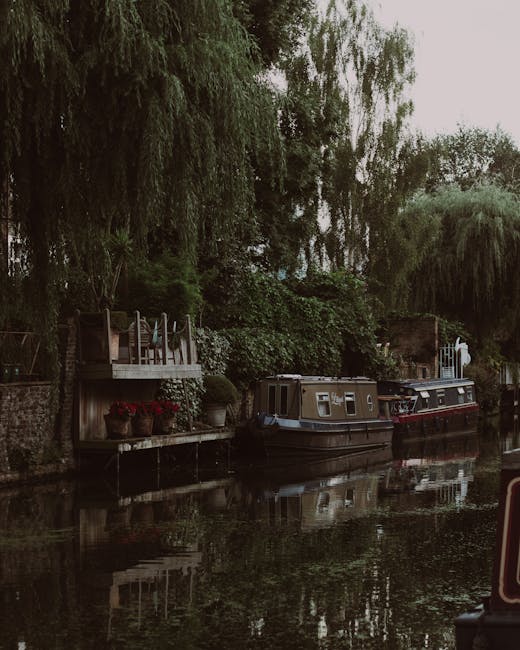
Gardeners in NW1 Tips for Regents Canal Terraces
Terrace gardening along Regents Canal has a character all its own. You get the charm of water nearby, narrow outdoor space, changing light, and the usual London mix of wind, shade, and privacy worries. That can sound like a headache, but it also makes the garden feel personal in a way bigger plots rarely do. If you are looking for Gardeners in NW1 tips for Regents Canal terraces, the real goal is not just to make things look neat. It is to create a space that survives the conditions, feels calm, and works day to day without becoming a full-time job.
In practice, that means choosing the right plants, managing containers properly, planning for drainage, and accepting that a terrace near the canal will ask for a slightly different approach than a suburban front garden. To be fair, that is part of the appeal. The best canal-side terraces feel layered and lived in, with soft planting, sturdy structure, and a few smart details that make maintenance easier. This guide walks through the practical side of getting it right, whether you are improving a small balcony-style terrace or a longer narrow run of outdoor space.
Where useful, it also touches on good local service standards, safety, and what to expect if you are comparing professional support. For readers who want to understand the wider service picture, you can also explore the services overview, learn more about the team, or check the pricing and quotes page before making a decision.
Table of Contents
- Why Gardeners in NW1 tips for Regents Canal terraces Matters
- How Gardeners in NW1 tips for Regents Canal terraces Works
- Key Benefits and Practical Advantages
- Who This Is For and When It Makes Sense
- Step-by-Step Guidance
- Expert Tips for Better Results
- Common Mistakes to Avoid
- Tools, Resources and Recommendations
- Law, Compliance, Standards, or Best Practice
- Options, Methods, or Comparison Table
- Case Study or Real-World Example
- Practical Checklist
- Conclusion
- Frequently Asked Questions
Why Gardeners in NW1 Tips for Regents Canal Terraces Matters
Regents Canal terraces are not standard gardens. They are usually exposed to a mix of reflected light, gusts that move around buildings, and the odd patch of shade from neighbouring structures or trees. Some terraces stay damp longer after rain, while others dry out quickly because of hard surfaces and heat bouncing off walls. That combination is exactly why generic garden advice often falls short.
Gardeners in NW1 who understand terrace conditions can save you time, waste, and a lot of trial and error. A plant that would thrive in a larger, sheltered back garden may sulk in a canal-side terrace, especially if the pot size is too small or the wind exposure is ignored. And because space is tight, every mistake feels bigger. One bad layout choice can make the whole area awkward to use.
There is also the lifestyle side. Many NW1 terraces are used for coffee in the morning, quick evenings after work, a few herbs by the door, or a calm spot to look out across the water. In that setting, good gardening is not just decorative. It has to be practical, low-fuss, and resilient enough to handle London weather without constant rescue missions.
Expert summary: the best terrace gardens near Regents Canal combine structure, drainage, container discipline, and a planting scheme that can cope with wind, shade shifts, and busy urban life. If it looks lovely for one month and collapses by July, it has not really worked.
How Gardeners in NW1 Tips for Regents Canal Terraces Works
The process starts with understanding the terrace itself. That sounds obvious, but it is where many people skip ahead too quickly. A terrace is not just a flat surface with pots on it. It has microclimates. One corner may catch morning sun and afternoon shade. Another may be a wind tunnel. A wall may radiate warmth late into the evening, while a shaded edge stays damp and cool. Once you notice those differences, the planting plan becomes far more sensible.
From there, good terrace gardening usually follows a pattern:
- Assess the site for light, wind, access, drainage, and weight limits.
- Choose the right structure such as planters, trellis, screening, or raised containers.
- Select plants for the conditions rather than for the catalogue picture.
- Set up watering and maintenance so the garden is manageable during busy weeks.
- Refine the layout to keep circulation easy and avoid clutter.
That final point matters more than people expect. On a canal terrace, if everything is squeezed too tightly, the space can feel like storage instead of a garden. Leave enough room to move, sit, water, and prune without awkward shuffling. You will thank yourself later. Honestly, your knees will too.
A skilled gardener in NW1 will also think seasonally. Spring planting may look great, but summer sun and wind can dry containers fast. Autumn is often the time for freshening compost, reshaping plants, and repairing anything that has got a bit tired. Winter is not dead time either; it is the best moment for structure, pruning where appropriate, and planning what needs replacing before the next growth flush.
Key Benefits and Practical Advantages
When terrace gardening is done properly, the benefits go beyond appearance. The space becomes easier to live with, and easier to keep looking good. That sounds small, but in a compact NW1 setting, small improvements have a big effect.
- Better use of limited space: smart planting and layout can make a narrow terrace feel wider and more usable.
- Improved privacy: layered planting, trellis, and screening soften sightlines without making the space feel boxed in.
- Lower maintenance: the right plants and pot choices reduce watering panic and constant replacement.
- More reliable plant health: suitable species are less likely to scorch, flop, or rot in changing terrace conditions.
- Year-round interest: mixing evergreen structure with seasonal colour keeps the terrace attractive even in quieter months.
- Better outdoor comfort: a well-planned terrace is calmer, less cluttered, and more pleasant to sit in.
There is a quiet confidence that comes from a terrace garden that just works. You open the door and it feels settled. Not perfect. Few gardens are. But settled, and that is a lovely thing on a Monday morning in London.
If you are comparing professional help, it is worth checking how a company handles trust and safety as well as gardening skill. Pages such as insurance and safety and the health and safety policy can give useful reassurance when work involves access, tools, or shared residential areas.
Who This Is For and When It Makes Sense
This approach suits a few different kinds of people. You may be a homeowner with a canal-side terrace that never quite feels finished. You may rent a flat with a small outdoor area and want it to look better without overcommitting to expensive landscaping. Or you may manage a property where the terrace needs to be tidy, resilient, and presentable for the long term.
It also makes sense if you have already tried the usual route of buying a few plants, watering them fairly regularly, and hoping for the best. Let's face it, that works sometimes. But on a windy NW1 terrace, hope is not a system. If your herbs keep going limp, the screening keeps toppling, or the pots dry out by lunchtime, it is time for a more deliberate plan.
This is especially relevant if:
- your terrace gets strong wind or drafty conditions
- you only have a small or awkwardly shaped outdoor space
- you want a more private feel near overlooked homes or paths
- you need garden maintenance that fits a busy work schedule
- you want plants that stay attractive across multiple seasons
- you prefer a tidy, well-kept look rather than an overflowing cottage style
For some people, the right answer is periodic maintenance rather than a full redesign. For others, it is a complete rethink of the planting structure. Either way, the best results start with honest observation, not with a shopping basket full of lovely but unsuitable plants.
Step-by-Step Guidance
Here is a practical way to approach a Regents Canal terrace without making it feel like a construction site.
1. Map the light and wind
Spend a day noticing where the sun falls, when shade arrives, and which corners feel exposed. A terrace can have four different conditions in one small area. Mark them mentally or on paper. Simple, but effective. In our experience, this step saves more money than almost anything else.
2. Decide what the terrace must do
Ask yourself whether the space is mainly for sitting, growing herbs, softening views, or acting as a visual extension of the home. If you try to make one tiny terrace do everything, it gets messy fast. A narrow space usually works best when it has one main job and one or two supporting functions.
3. Build the structure first
Before choosing flowers, sort the bones of the space. Think planters, screens, trellis panels, climbing supports, and seating placement. Good structure makes planting much easier because it gives the garden shape even in winter.
4. Choose containers that suit terrace conditions
Terraces often need larger pots than people expect. Bigger containers hold moisture better and buffer roots against temperature swings. Lightweight options can be helpful on upper floors, but they still need stability. A pot that looks nice but falls over every time the weather turns is, to be fair, not doing its job.
5. Select plants for resilience first
Choose plants that can cope with exposure, container life, and seasonal change. Herbs, grasses, compact evergreens, ferns for shadier spots, and tougher flowering plants often do better than delicate showpieces. If you want a softer, more romantic feel, use layers and repetition rather than flimsy plants that need babying.
6. Improve drainage and compost quality
Waterlogging is a common terrace problem. Make sure containers have proper drainage holes and use fresh compost suited to the plant type. Old, compacted compost can suffocate roots and make watering unpredictable. You do not need to overcomplicate it, just be consistent.
7. Set a watering routine that fits real life
Some terrace gardens fail because the watering plan assumes perfect memory and endless free time. That is not how people live. Group thirsty pots together, use saucers carefully where needed, and consider self-watering methods for very hot or exposed spots. A quick evening check often works better than elaborate theory.
8. Add finishing touches slowly
Once the structure and plants are settled, add details like outdoor lanterns, a small bench, or decorative gravel in chosen spots. Keep it restrained. One of the nicest things about canal terraces is that they can feel restful, and too many accessories can spoil that.
Expert Tips for Better Results
Small adjustments make a big difference on NW1 terraces. The advice below is the sort of thing that tends to separate a garden that merely survives from one that feels genuinely considered.
- Use repetition: repeating a few plant types creates calm and helps small spaces feel cohesive.
- Mix heights carefully: combine low planters, medium shrubs, and one or two taller elements so the view feels layered.
- Leave room around pots: air circulation matters, especially where damp can hang around after rain.
- Choose a restrained palette: too many colours can make a terrace feel busy. A simpler palette often reads as more expensive and more serene.
- Think about winter interest: evergreens, grasses, and textured stems keep the terrace alive when flowers fade.
- Protect fragile plants from edge exposure: place delicate specimens nearer walls or behind sturdier planting.
- Refresh compost annually where possible: container plants need feeding and renewal more often than ground-planted borders.
A little human trick I often recommend: stand at the terrace doorway and look out for thirty seconds before making changes. What draws your eye first? What feels awkward? Where does your gaze naturally rest? You will spot things in that brief pause that are easy to miss while standing knee-deep in potting mix.
If you want to work with a company that keeps environmental impact in mind, the recycling and sustainability page is worth a look. Terrace gardens generate old compost, cuttings, damaged pots, and packaging, so it helps when waste is handled thoughtfully.
Common Mistakes to Avoid
Most terrace mistakes are predictable, which is good news because predictable mistakes are easier to avoid.
- Using pots that are too small: they dry out quickly and leave plants stressed.
- Ignoring wind: exposed canal terraces can batter tall or brittle plants.
- Overcrowding the space: too many items make maintenance awkward and can create a cluttered feel.
- Choosing plants for appearance only: some plants look perfect in a shop and then fail in real terrace conditions.
- Forgetting seasonal change: a terrace that only looks good in May is not a finished job.
- Poor drainage: if containers sit in water or compost stays soggy, roots suffer quickly.
- Neglecting access: if you cannot reach the back row easily, pruning and watering become annoying, then skipped.
One of the sneakiest problems is scale. A planter may seem nicely sized in a warehouse or nursery, then arrive on the terrace and dominate the whole corner. It happens all the time. Measure twice, carry once. A slightly clumsy old saying, but useful.
Another common issue is trying to create privacy with thin, temporary screening alone. It often looks good for a week and then starts to droop or rattle. Better to combine screening with planted height, so the effect is stable and softer on the eye.
Tools, Resources and Recommendations
You do not need a shed full of specialist kit to manage a canal terrace well, but a few solid tools help a lot.
- Sturdy watering can or hose access: the exact choice depends on the layout, but reliability matters most.
- Good gloves: especially if you are handling thorny plants, rough pot edges, or repeated pruning.
- Secateurs: a clean, sharp pair is enough for most terrace maintenance tasks.
- Lightweight trowel and hand fork: useful for container planting and compost work.
- Mulch or top dressing: helps lock in moisture and gives pots a tidier finish.
- Support stakes or ties: helpful for taller plants that might lean in wind.
- Quality compost and feed: these are boring purchases, admittedly, but they make a huge difference.
For professional support, it can help to review practical business pages as well as gardening services. A clear payment and security policy is reassuring if you are booking work, while terms and conditions explain the basics of service expectations and booking arrangements.
If you are comparing suppliers, a quick look at contact details is also useful. Straightforward communication is often a better sign than polished promises. You want someone who can answer practical questions without fuss.
Law, Compliance, Standards, or Best Practice
Terrace gardening in NW1 is usually straightforward, but there are still sensible standards to keep in mind. If work involves shared entrances, access routes, higher levels, lifting, or tools near residents, the basic expectation is that it should be carried out safely and with proper care. That is less about red tape and more about common sense.
For residents and property managers, a few best-practice points matter:
- Access should stay clear: exits, walkways, and shared spaces should not be blocked by pots or materials.
- Working safely matters: tools, ladders, and lifting should be handled with care, particularly in narrow or elevated spaces.
- Waste should be handled responsibly: old compost, cuttings, and damaged planters should be removed or recycled properly where possible.
- Neighbour impact should be considered: noise, soil spillages, and overspray from watering should be kept under control.
If you are hiring help, it is sensible to check that the provider has clear safety standards and a transparent approach to service. The health and safety policy and insurance and safety pages can help you understand how a company approaches these basics. And if you need to understand how any concerns are handled, the complaints procedure should be easy to find and easy to follow.
There is no need to overstate legal complexity where it is not there. Most terrace work is ordinary domestic gardening. Still, ordinary work should be done properly. That is the point.
Options, Methods, or Comparison Table
Different terrace setups suit different goals. Here is a simple comparison to help you think through the options.
| Approach | Best For | Strengths | Trade-Offs |
|---|---|---|---|
| Container-led terrace planting | Small spaces and flexible layouts | Easy to move, easy to update, good for seasonal change | Needs regular watering and feeding |
| Screened privacy terrace | Overlooked spaces and seating areas | Creates a calmer feel and hides sightlines | Can look heavy if overdone |
| Herb and edible terrace | Practical cooks and compact households | Useful, fragrant, and satisfying to maintain | Edibles need more consistent care |
| Low-maintenance evergreen terrace | Busy owners or rental properties | Reliable year-round structure, less seasonal turnover | Can feel less colourful without added accents |
| Mixed ornamental terrace | People wanting more visual texture | Balanced, attractive, and adaptable | Needs a bit more planning to avoid clutter |
For most Regents Canal terraces, a mixed ornamental approach with some edible or herb containers works well. It gives you flexibility without turning the terrace into a maintenance project. That said, if you know you will be away a lot, simpler is often better. There is no prize for overcomplication.
Case Study or Real-World Example
Here is a realistic example based on the kind of terrace many people in NW1 deal with. Imagine a narrow canal-facing terrace with one sunny end, one shaded end, and a section that catches a surprising amount of wind. The owner wants privacy from nearby windows, a place to sit with tea in the evening, and a few herbs for cooking.
The first step is to stop treating the whole terrace as one uniform space. The sunny end gets larger containers with drought-tolerant planting and a little height for structure. The shaded end is used for more tolerant foliage plants and a quieter seating corner. Along the middle, a slim trellis supports climbers so the view feels softer without blocking light completely.
Instead of using lots of small pots, the layout relies on fewer, larger containers. That reduces watering stress and makes the terrace feel calmer. A bench is placed where it does not interfere with movement, and the herb pots are kept close to the door so they are easy to reach when cooking. Nothing fancy. Just thoughtful.
After the first season, the biggest win is not the flowers. It is the fact that the space now feels easy to use. The owner can step outside, sit down, and not immediately spot five things that need fixing. That is a real success, even if it does not sound dramatic on paper.
Practical Checklist
Use this checklist before you start, or before you ask for help from a gardener.
- Have I identified the sunniest and shadiest parts of the terrace?
- Do I know which areas are most exposed to wind?
- Are the pots large enough for the plants I want to grow?
- Do all containers drain properly?
- Have I chosen plants that suit terrace conditions rather than just the look I want?
- Is there enough space to walk, sit, and water comfortably?
- Have I allowed for seasonal change and winter structure?
- Is privacy handled through a mix of planting and screening rather than one weak solution?
- Do I have a simple watering and feeding routine I can actually maintain?
- Have I checked the provider's service details, safety information, and quote process if hiring help?
Quick takeaway: if the terrace is clear, breathable, well-drained, and planted for its actual conditions, you are already ahead of most people. The rest is refinement.
Conclusion
Regents Canal terraces in NW1 can be tricky, but they are also full of potential. The best gardens in this setting are not the flashiest ones. They are the ones that feel balanced, easy to live with, and quietly dependable through changing weather. That takes a bit of planning, some practical judgement, and a willingness to work with the space rather than against it.
If you remember only one thing from this guide, make it this: terrace gardening succeeds when structure, drainage, and plant choice all support each other. Get those three right and the rest becomes much easier. Get them wrong, and you will spend all summer wrestling with pots that are too small and plants that never quite settle.
If you are ready to improve your terrace properly, or simply want a clearer idea of what is possible, take the next step and review the available service details. A well-planned conversation now can save a lot of frustration later.
Get a free quote today and see how much you can save.
And if you are still deciding, that is fine too. Good gardens are built steadily, not hurried. A thoughtful terrace in NW1 can become one of the nicest parts of the home, especially when the evenings are soft and the canal air feels just a little cooler than the street.
Frequently Asked Questions
What makes Regents Canal terraces different from ordinary London gardens?
They are usually more exposed, more compact, and more affected by reflected light, wind, and neighbouring buildings. That means plant choice and container setup matter more than they might in a larger, sheltered garden.
What are the best plants for NW1 terraces near the canal?
Tough container plants, compact shrubs, grasses, herbs, and shade-tolerant foliage plants often do well. The best choice depends on how much sun, wind, and shelter the terrace actually gets.
How often should terrace plants be watered?
There is no one-size-fits-all answer. In hot or windy weather, some pots may need daily checking. Larger containers hold moisture longer, while smaller ones dry out faster. The key is regular monitoring rather than rigid scheduling.
Do I need large pots for a small terrace?
Often, yes. Bigger pots are usually more stable and easier to manage because they retain moisture better and give roots more room. A terrace can still look light and elegant with larger containers if the layout is well planned.
How can I add privacy without blocking too much light?
Use a mix of layered planting, light trellis, and carefully positioned taller containers. Thin screening alone can look harsh, while planted privacy tends to feel softer and more natural.
Is a low-maintenance terrace garden realistic?
Absolutely, but low-maintenance does not mean no maintenance. It means choosing resilient plants, using proper drainage, and keeping the design simple enough to manage without constant intervention.
What should I ask a gardener before hiring them for a canal terrace?
Ask about terrace experience, plant choice, drainage, safety, maintenance schedules, and whether they can work with compact or awkward layouts. It also helps to check service information and quote details clearly before booking.
How do I stop pots from looking cluttered?
Use repetition, fewer but larger containers, and a consistent colour or material palette. Leaving a little breathing room between items makes the terrace look more deliberate and easier to use.
Can terrace gardening work in shady spots?
Yes, very well. Shade does not mean bare. It just means choosing the right plants, such as foliage plants and shade-tolerant varieties, and avoiding species that need strong direct light.
What is the biggest mistake people make with terrace gardens?
The most common mistake is treating a terrace like a normal border garden. Terrace spaces need smarter drainage, stronger containers, and more careful plant selection. Once you adapt to that, the results improve quickly.
How do I know if my terrace needs professional help?
If the space keeps drying out, feels awkwardly laid out, lacks privacy, or needs ongoing maintenance you cannot keep up with, professional help can make sense. It is especially useful when you want a more polished result without guesswork.
Are sustainability and waste handling worth thinking about for terrace gardening?
Yes, especially if you are replacing plants, compost, and containers regularly. Responsible waste handling and sensible material choices can make the garden easier to manage and better aligned with long-term upkeep.