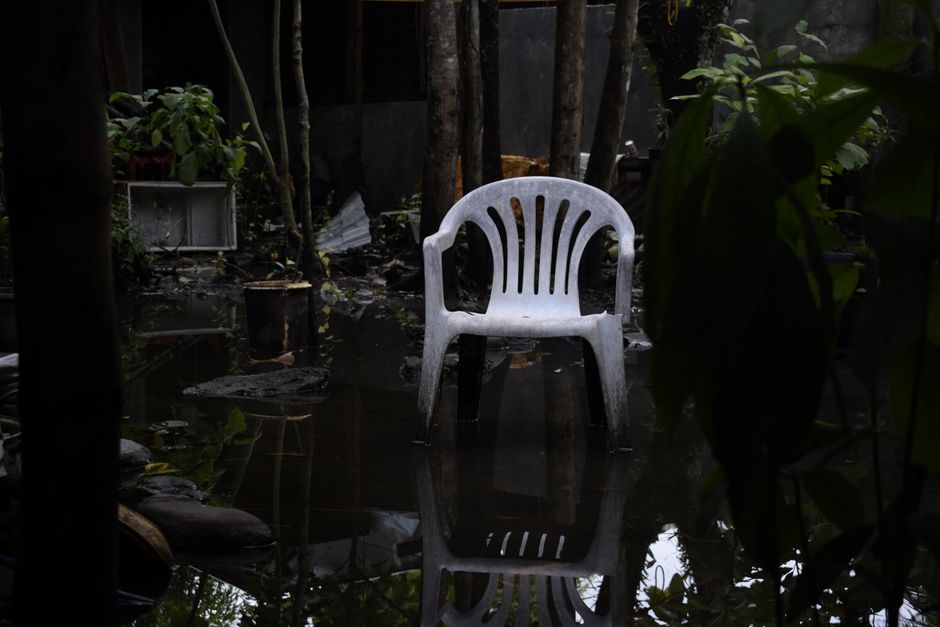
Same day gardener in Camden Town when patios flood: fast help, practical fixes, and what to expect
When a patio floods, it rarely feels like a small problem. Water sits against doors, mud gets tracked everywhere, pots tip over, and the whole garden starts to look a bit defeated. If you need a same day gardener in Camden Town when patios flood, you usually need more than a quick tidy-up. You need someone who understands drainage, surface run-off, slippery paving, blocked grates, compacted soil, and the very ordinary London chaos of rain arriving just when you least wanted it.
This guide explains what same-day help can realistically do, how the process usually works, what to ask for, and how to stop a flooded patio turning into a bigger repair job. It is written for homeowners, landlords, tenants, and busy property managers who need calm, practical answers rather than vague advice. Let's face it: when the patio is under water, you want clear steps, not a lecture.
Why Same day gardener in Camden Town when patios flood matters
Patio flooding is one of those issues that looks cosmetic at first but can escalate quickly. Standing water can stain paving, weaken joints, encourage moss and algae, and push damp towards walls or thresholds. If your patio is next to a kitchen, conservatory, basement stairwell, or sliding doors, the risk becomes more immediate. In a compact Camden Town garden, there is often less room for water to spread out, so it has nowhere polite to go.
A same-day gardener can help in a few important ways. They can remove surface debris, clear blocked areas around the patio, assess whether the problem is caused by poor gradient, compacted soil, clogged drains, or overgrown borders, and make the space safer while you wait for a longer-term fix. That immediate response matters. Not because every flooded patio is an emergency, but because a small delay can turn a manageable nuisance into a slippery, smelly, muddy mess. And nobody wants that by tea time.
There is also a human side to this. A flooded patio can stop you using your garden entirely. Pets hesitate, kids are kept inside, and you avoid opening the back door because the first step is a splash. Fast help restores normality, even if only partly at first. Sometimes that first dry patch makes all the difference.
Expert summary: Same-day garden help is most useful when you need immediate safety, fast water management, and a sensible plan for preventing the next flood. It is not always a full solution on the spot, but it can stop things getting worse.
If the flooding is linked to wider garden upkeep, it may also be worth looking at regular garden maintenance or, where the area has become cluttered with wet debris and damaged plant material, garden clearance. Those services are often the difference between a garden that recovers quickly and one that keeps holding water after every heavy shower.
How same-day patio flood help works
Good same-day help is usually straightforward. You contact the gardener, describe the problem clearly, and explain what you can see: where the water sits, how deep it is, whether it is entering the house, and whether the patio drain or nearby border looks blocked. A sensible provider will use that information to judge urgency and bring the right tools.
On arrival, the first job is usually assessment. The gardener will look for obvious causes such as leaves, silt, soil wash-off, clogged channels, broken edging, overly compacted borders, or paving that has settled over time. In Camden Town gardens, the problem can be a combination of all of these. Small spaces, old paving, and mature planting can create odd little water traps. It happens more than people think.
From there, the response may include:
- clearing leaves, twigs, and debris from the patio and nearby gullies
- removing surface water where safe and practical
- unblocking drainage paths around the garden
- trimming back plants that are contributing to poor flow
- lifting compacted organic matter from border edges
- advising on short-term and longer-term drainage improvements
If the issue is mainly the result of overgrown planting or roots interfering with the space, services such as hedge trimming or even tree lopping and removal may be part of the longer-term solution. That sounds dramatic, but sometimes it is just a large shrub shading and clogging a wet corner. Nature can be a bit too enthusiastic.
For patios that have seen repeated flooding, a gardener may also recommend broader landscaping improvements, such as regrading the area, improving drainage channels, or redesigning borders so water moves away more effectively.
Key benefits and practical advantages
Choosing same-day garden help for a flooded patio is less about convenience and more about limiting damage. The benefits are practical, not glamorous, but very real.
- Immediate safety: wet paving can be dangerously slippery, especially near steps or door thresholds.
- Less property damage: fast intervention helps reduce staining, standing damp, and water tracking indoors.
- Faster recovery: your patio becomes usable again sooner, which matters if you have guests, deliveries, or family routines to juggle.
- Better diagnosis: an experienced gardener can often tell the difference between a one-off blockage and a structural drainage issue.
- Cleaner garden conditions: clearing debris, algae-prone muck, and broken plant matter can improve the whole feel of the space.
There is a quieter advantage too: peace of mind. Flooded patios can create that nagging feeling that the problem is bigger than it looks. A same-day visit helps you move from worrying to doing. You can see the water being managed, hear what the real cause seems to be, and decide the next step without guessing. That alone is worth a lot on a wet Tuesday afternoon.
In some cases, the same visit can reveal other maintenance issues. If borders are heavy with debris or the entire garden has become hard to manage, pairing immediate flood response with ongoing lawn mowing or routine upkeep can stop runoff from getting worse. Wet grass, long edges, and blocked paths all add to the problem, a bit sneakily really.
Who this is for and when it makes sense
This kind of same-day service is ideal for people who need a fast, sensible response rather than a long project quote. It makes sense if:
- water is pooling on your patio after rain and not draining away
- you need the space safe before visitors, tenants, or children use it
- leaves, soil, or garden waste are blocking the runoff path
- you suspect overgrown plants are contributing to the problem
- the patio has flooded more than once and you want a proper assessment
- you manage a rental property and need a prompt, responsible fix
It is especially useful in smaller urban gardens where water has fewer escape routes. Camden Town properties often deal with tight access, mature planting, and hard landscaping that has aged unevenly. Even a modest rainfall can expose weak drainage design.
Same-day help can also be a good fit if you are not sure whether the issue belongs with a gardener, landscaper, or general property maintenance provider. A well-informed gardener can often point you in the right direction. If the patio needs bigger structural changes, they may suggest a more comprehensive landscape gardening approach rather than a quick tidy. That distinction matters. It saves time, money, and a bit of frustration.
Step-by-step guidance
If your patio has flooded, here is a practical way to handle it before and during the visit.
- Check for immediate safety risks. If water is close to electrics, is entering the property, or has created a serious slip hazard, keep people away from the area.
- Take a quick look at the cause. Is the water sitting across the whole patio, or just one corner? Is there visible leaf buildup, silt, or a blocked drain cover?
- Photograph the problem. A few clear images help the gardener understand the layout before arrival. Not glamorous, but useful.
- Describe the timing. Say when the flooding started, how often it happens, and whether it follows heavy rain or any specific wind direction.
- Book same-day help. Explain that the patio is flooded and that you need fast assistance, not just routine maintenance.
- Make access easy. Clear a path to the garden gate if you can safely do so. It saves time and avoids extra mess.
- Ask for a short diagnosis. Once the area is stable, ask what caused the flooding and whether the problem is likely to return.
- Decide on next steps. This may be simple maintenance, a one-off clearance, or a larger landscaping fix.
One small but important tip: do not assume the first visible puddle tells the whole story. Water often travels under paving, behind planters, or along the edge of a wall before it appears. The obvious wet patch is not always the real source. Gardens are sneaky like that.
If the patio has also collected branches, broken pots, or a lot of wet organic material, a targeted clearance can be sensible after the water is dealt with. Clearing the debris helps surfaces dry properly instead of trapping moisture all week.
Expert tips for better results
In our experience, the best outcomes come from combining quick response with a calm diagnosis. A flooded patio is annoying, yes, but rushing straight into fixes without understanding the flow pattern can waste time.
Tip 1: Look upstream, not just at the puddle. Water problems often start in the borders, not on the paving itself. Check where soil is washing down, where mulch has spread, and whether the edging is breaking apart.
Tip 2: Keep gutters, drains, and garden channels clear. Even a small blockage can hold enough water to flood a patio edge. The buildup is often leaves, grit, and garden debris. Nothing exotic.
Tip 3: Avoid overwatering nearby beds. If the patio floods regularly and the planting beside it is soaked too, you may be adding more water than the ground can take. This is easy to overlook, especially in summer when everything looks thirsty. Then it rains hard and, well, surprise.
Tip 4: Check for low spots after dry weather too. A patio that floods in one downpour may actually be holding moisture all the time. You just notice it properly after a heavy shower.
Tip 5: Don't ignore algae and moss. They are not just cosmetic. Once surfaces stay wet for long enough, slick growth can make the patio unsafe even after the water has gone.
Tip 6: Use the same visit to plan prevention. If a gardener is already on site, ask what small changes would reduce flood risk: reshaping a border, thinning a hedge, or improving runoff to the side path. Little changes can have a surprisingly big effect.
For gardens where runoff is made worse by compacted soil or awkwardly shaped planting beds, a broader maintenance routine can help. Services like services overview pages are useful if you want to understand how different garden tasks fit together before booking anything larger.
Common mistakes to avoid
Patio flooding brings out a few bad habits. Most of them are understandable in the moment, but they can make the problem linger.
- Ignoring the cause and only mopping the surface: removing water is fine, but if the source remains blocked, it will come back.
- Using harsh chemicals on wet surfaces: they can spread, stain, or create slippery residue. Not ideal.
- Dragging mud and debris into drains: this can make an already poor drainage situation worse.
- Overloading the area with pots and furniture: crowded patios trap water and make cleaning harder.
- Assuming a one-off flood means nothing: repeated pooling usually points to a structural or maintenance issue.
- Delaying help when water is near a doorway: the longer it sits, the more chance it has to enter the property.
Another common mistake is asking for the wrong type of help. If the patio only needs debris removal, a full redesign is overkill. If the flooding happens every time it rains hard, a quick sweep will not solve it. Matching the job to the problem is half the battle.
For some properties, the answer includes hard-surface work like decking services or wider landscaping changes to improve levels and drainage. That is not always the first step, but it can become the sensible one if the patio has aged badly or was poorly laid to begin with.
Tools, resources and recommendations
You do not need specialist gear at home to understand the problem, but a few simple tools help you explain it clearly and prepare for a same-day visit.
| Tool or resource | What it helps with | Practical note |
|---|---|---|
| Phone camera | Showing where water collects | Take one wide shot and one close-up from the door and patio edge |
| Broom | Moving loose leaves and light debris | Useful for a quick tidy, not for pushing muck into drains |
| Rubber gloves | Handling wet debris safely | Handy if the area has sludge or sharp fragments |
| Bucket | Removing small amounts of standing water | Only for light surface pooling, not heavy flooding |
| Notebook | Recording recurring patterns | Note when flooding happens, how long it lasts, and what seems to trigger it |
For professional help, choose a gardener who explains the likely cause in plain English and does not jump straight to the most expensive remedy. A trustworthy provider should be happy to discuss what can be improved now, what can wait, and what may need a bigger project later. If they are vague, pushy, or unwilling to explain, that is a bit of a red flag.
If you want to understand pricing, it can also help to review pricing and quotes before you book. That way you know how estimates are usually handled and what information to provide for a more accurate response.
Law, compliance, standards, or best practice
For a flooded patio, the main concern is usually safety and sensible maintenance rather than heavy regulation. Still, there are a few best-practice points worth keeping in mind in the UK.
Slip risk matters. Wet hardstanding can become hazardous very quickly, especially if algae is already present. A responsible gardener will treat this as a safety issue, not just a cleaning task.
Waste should be handled properly. Wet leaves, soil, and cuttings need to be collected and disposed of carefully. If a service provider offers recycling or responsible green waste handling, that is a good sign. You can ask about their approach via their recycling and sustainability information.
Insurance and safety matter. Anyone working around wet paving, tools, doors, and potentially unstable edges should have a sensible safety process in place. It is reasonable to ask how they manage that. If you are comparing providers, their insurance and safety information can help you judge whether they are organised and careful.
Property access should be respectful. In shared gardens, managed buildings, or rented homes, the work may affect neighbours or common areas. Clear communication avoids awkwardness. Nobody wants a surprise leaf pile by the bin store at 8 a.m.
Garden structure may need longer-term correction. If water is pooling because levels are wrong or drainage is poor, the better fix may involve landscaping rather than repeated clean-ups. That is normal. Sometimes the honest answer is: this space needs rethinking, not just another sweep.
For more about the company's background and approach, you can review the about us page and the broader health and safety policy. Those pages are useful if you want reassurance about how a provider approaches work in a careful, professional way.
Options, methods, or comparison table
Not every flooded patio needs the same response. The right choice depends on whether the issue is immediate, recurring, or structural.
| Approach | Best for | Pros | Limits |
|---|---|---|---|
| Same-day garden visit | Standing water, safety concerns, visible debris | Fast, practical, reduces immediate risk | May not solve underlying drainage problems |
| Routine maintenance | Recurring leaf buildup, minor runoff issues | Keeps the garden manageable and cleaner | Won't fix a badly graded patio on its own |
| Clearance and clean-up | Wet clutter, broken plant matter, blocked paths | Restores access and helps surfaces dry | More of a reset than a technical drainage repair |
| Landscaping improvement | Repeated flooding, poor levels, design issues | Addresses the root cause more fully | Takes longer and usually needs planning |
As a rule of thumb, if the patio only floods after a rare downpour and clears quickly, a same-day visit plus maintenance may be enough. If it floods every time the weather turns nasty, the issue is probably deeper. That is the point where a redesign discussion starts to make more sense. No point pretending otherwise.
Case study or real-world example
Picture a ground-floor Camden Town flat with a small rear patio, a few planters, and a narrow side return. After a heavy evening shower, the patio sits under shallow water, and leaves from an overhanging shrub have collected around the drain cover. The resident notices a damp line near the back door and a patch of slippery green algae underfoot.
A same-day gardener arrives, clears the leaves, removes silt from the drain edge, and trims back the shrub enough to stop it shedding directly into the runoff path. They also point out that the patio falls slightly the wrong way, so water naturally gathers at one corner before escaping. The immediate problem is reduced that day, and the resident gets a clear explanation of why it happened.
What changed? Not magic, just sequencing. First the hazard was removed. Then the cause was identified. Then a sensible plan was made for a longer-term fix. That is usually how the best jobs go.
In this kind of situation, the resident might later book a mix of hedge trimming and broader landscape gardening work to reduce the chance of repeat flooding. A small garden can change a lot with a few measured adjustments.
Practical checklist
Use this checklist when you are dealing with a flooded patio and want to get the most from a same-day visit.
- Take note of where the water is sitting.
- Check whether it is near doors, steps, or electrics.
- Photograph the patio, drains, borders, and any obvious blockage.
- Clear a safe access route to the garden if possible.
- Remove loose items that could get damaged or knocked over.
- Describe how long the flooding has been happening.
- Explain whether it happens after light rain or only heavy rain.
- Ask whether the issue looks like debris, poor drainage, or a layout problem.
- Request advice on prevention, not just clean-up.
- Make a note of any next-step recommendations before the visit ends.
Small but useful habit: after the job, keep a simple note of when the patio was last flooded and what the weather was like. A couple of records are more useful than you might think. Patterns become obvious fast.
It can also help to keep regular upkeep in place so the same problem does not creep back. A consistent garden maintenance routine, even a modest one, often prevents water from being trapped by seasonal debris.
Conclusion
A flooded patio is irritating, but it does not have to become a long-running mess. The right same-day gardener can help you stabilise the area, clear the immediate blockage, identify the likely cause, and decide whether you need routine maintenance, clearance, or a more serious landscaping fix. In Camden Town, where gardens are often compact and every square metre counts, that quick, informed response can make a big difference.
What matters most is acting early, asking clear questions, and choosing the response that fits the real problem rather than the obvious puddle. If you do that, you are already ahead of the game. And once the water is gone, the patio tends to feel like part of the home again, not a problem to tiptoe around.
If you want a straightforward next step, start with a quote request and explain exactly what is happening on the ground. The more specific you are, the more useful the advice will be.
Get a free quote today and see how much you can save.
Frequently Asked Questions
Can a same-day gardener really help when a patio floods?
Yes, if the issue is caused by surface debris, a blocked runoff path, overgrown edges, or manageable drainage problems. They can often make the area safer and identify whether a bigger fix is needed.
What should I tell the gardener before they arrive?
Tell them where the water is collecting, how deep it is, whether it is entering the house, and whether you can see leaves, mud, or blocked drains. A few photos help as well.
Is patio flooding always a drainage problem?
Not always. It can also be caused by compacted borders, poor patio levels, blocked gullies, heavy leaf fall, or overwatering nearby beds. Sometimes it is a mix of small things.
How quickly can a gardener clear a flooded patio?
That depends on the cause and access. A light surface blockage can be dealt with quite quickly, while deeper or repeated flooding may need more time and a plan for follow-up work.
What if the flooding keeps coming back after rain?
Repeated flooding usually means the underlying issue has not been fixed. In that case, a gardener may recommend routine maintenance, clearance, or a landscaping change to improve drainage.
Should I book garden clearance or maintenance for this problem?
If the patio is clogged with wet debris or overgrowth, garden clearance is often the right first step. If the problem is ongoing but manageable, regular garden maintenance may be more suitable.
Can overgrown hedges or trees make a patio flood?
Yes, they can. Dense planting can block light, trap debris, and interfere with runoff paths. In some cases, hedge trimming or tree work is part of the solution.
Is a flooded patio dangerous?
It can be. Wet paving becomes slippery, and water near doors or steps increases the risk of trips and falls. If the water is close to the property, it should be dealt with promptly.
Will a same-day visit fix the problem permanently?
Sometimes, but not always. Same-day help is often the immediate response. If the patio has a structural drainage issue, you may need a longer-term landscaping solution as well.
How can I reduce patio flooding in future?
Keep drains and runoff paths clear, trim back overgrowth, avoid piling soil or mulch against the patio edge, and maintain the garden regularly. Small habits make a real difference over time.
Do I need landscaping rather than garden maintenance?
If the patio floods because the surface levels or layout are wrong, landscaping may be needed. If the issue is mainly debris, buildup, or plant growth, maintenance may be enough.
What is the best first step if water is already near my back door?
Keep people away from the slip zone, take photos, and contact a same-day gardener who can assess the situation quickly. If water is entering the property, treat it as urgent.
And if you are still staring at that puddle thinking, "well, that's annoying," you are not alone. A lot of patio floods are fixable, and the sooner they are looked at, the easier they tend to be.